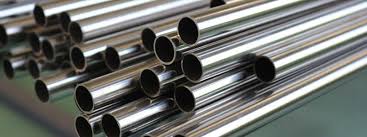
In modern industries, tubing is an essential component that plays a critical role across sectors — from automotive and aerospace to construction, petrochemical, pharmaceuticals, and HVAC systems. Among the various types of tubing materials, stainless steel tubing stands out due to its strength, durability, corrosion resistance, and versatility.
This article explains the manufacturing processes, types, benefits, applications, and quality standards of stainless steel tubing, including carbon and alloy tubing variations.
What Is Stainless Steel Tubing?
Stainless steel tubing refers to cylindrical metal pipes produced from stainless steel alloys. These tubes are engineered to carry fluids, gases, and mechanical loads under diverse environmental conditions.
Unlike ordinary steel tubing, stainless steel tubes offer higher resistance to rust, oxidation, and chemical exposure, making them ideal for demanding operating environments.
Key Properties of Stainless Steel Tubing
Stainless steel tubing is widely chosen because it offers:
-
Excellent corrosion resistance
-
High tensile strength
-
Heat resistance
-
Hygienic and easy-to-clean surfaces
-
Long service life
-
Recyclable and eco-friendly
These properties ensure that stainless steel tubing performs reliably in both industrial and commercial applications.
Types of Stainless Steel Tubing
Stainless steel tubing is generally categorized based on manufacturing process, structure, and alloy composition. The main categories include:
1. Carbon Stainless Steel Tubing
Despite its name, carbon stainless steel tubing refers to tubing with lower alloy content and higher carbon percentage compared to traditional stainless steels. This enhances strength and hardness, making it suitable for applications requiring structural durability.
2. Alloy Stainless Steel Tubing
Alloy stainless steel tubing includes higher concentrations of chromium, nickel, molybdenum, and other alloying elements. These provide superior corrosion resistance, enhanced mechanical performance, and stability at high temperatures.
Manufacturing Processes for Stainless Steel Tubing
The process used in manufacturing stainless steel tubing significantly impacts its performance, dimensional accuracy, and mechanical properties. Major manufacturing methods include:
1. Seamless Tubing Process
Seamless stainless steel tubing is manufactured from a solid billet without any weld seam. The process typically involves:
-
Heating a solid round steel billet
-
Piercing to form a hollow shell
-
Elongation and sizing through rotary piercing or pilger mills
-
Cold or hot working to achieve final dimensions
Benefits of Seamless Tubing:
-
Uniform structure
-
Higher pressure tolerance
-
Ideal for critical applications such as oil & gas, aerospace, and high-pressure fluid systems
2. Welded Tubing Process
Welded stainless steel tubing is formed by rolling a flat strip (steel coil) into a tube shape and then welding the edges together. The most common welding processes include:
-
Electric Resistance Welding (ERW)
-
High-Frequency Induction Welding (HFIW)
Advantages of Welded Tubing:
-
Cost-effective production
-
Available in long lengths
-
Suitable for structural and industrial applications with moderate pressure requirements
Grades of Stainless Steel Tubing
Choosing the right stainless steel grade is crucial for performance and longevity. Common tubing grades include:
304 Stainless Steel
-
Most widely used grade
-
Good corrosion resistance
-
Suitable for food processing, architectural, and general applications
316 Stainless Steel
-
Enhanced corrosion resistance
-
Contains molybdenum for better chemical stability
-
Ideal for marine, chemical, and pharmaceutical industries
310 Stainless Steel
-
High temperature resistance
-
Used in heat treatment and furnace applications
Additional specialty grades are also available depending on specific industry needs.
Carbon & Alloy Tubing Differences
Stainless steel tubing categories may also be described by their properties:
| Feature | Carbon Stainless Tubing | Alloy Stainless Tubing |
|---|---|---|
| Carbon Content | Higher | Moderate |
| Alloying Elements | Lower | Higher (Ni, Mo, Cr) |
| Mechanical Strength | High | Very High |
| Corrosion Resistance | Moderate | Excellent |
| Cost | Lower | Higher |
Carbon stainless tubing is often chosen when strength and rigidity are priorities, whereas alloy stainless tubing is selected for environments where corrosion resistance and performance are critical.
Applications of Stainless Steel Tubing
Stainless steel tubes are used in a wide range of industries:
1. Industrial and Manufacturing
-
Hydraulic lines
-
Pneumatic systems
-
Heat exchangers
-
Conveyance systems
2. Automotive & Transportation
-
Fuel lines
-
Brake systems
-
Exhaust components
3. Construction & Architecture
-
Structural supports
-
Handrails
-
Facade systems
4. Oil & Gas
-
High-pressure fluid transport
-
Downhole tubing
-
Offshore platforms
5. Food, Beverage & Pharmaceutical
-
Sanitary process lines
-
Clean-in-place (CIP) systems
-
Liquid transfer tubes
The adaptability of stainless steel tubing enables it to meet rigorous performance requirements across these diverse fields.
Quality Standards and Certifications
Stainless steel tubing manufacturing must comply with international quality standards to ensure reliability, safety, and performance. Common standards include:
-
ASTM (American Society for Testing Materials)
-
ASME (American Society of Mechanical Engineers)
-
ISO (International Organization for Standardization)
-
DIN (German Institute for Standards)
Certificates such as Material Test Reports (MTRs) and Mill Test Certificates (MTCs) are often provided to validate compliance with mechanical and chemical specifications.
Precision and Tolerance in Tubing
High-quality stainless steel tubing maintains tight dimensional tolerances, consistent wall thickness, and smooth surface finish. Precision tubing is essential for:
-
Automated machinery
-
Hydraulic systems
-
High-pressure environments
-
Aerospace components
Manufacturers use advanced equipment like calibrated mandrels, precision mills, and finishing lines to ensure that tubing meets exact standards.
Benefits of Stainless Steel Tubing
Stainless steel tubing offers a combination of advantages:
-
Corrosion Protection: Resists rust and chemical exposure
-
Strength-to-Weight Ratio: Provides durability without excessive weight
-
Temperature Stability: Performs reliably at extreme temperatures
-
Clean and Sanitary: Ideal for hygienic applications
-
Aesthetic Appeal: Smooth surface finish enhances architectural use
-
Recyclability: Environmentally friendly and sustainable
These benefits deliver long-term value and cost-effective performance across applications.
Cost Factors of Stainless Steel Tubing
The price of stainless steel tubing depends on several factors:
-
Grade of stainless steel
-
Manufacturing method (seamless vs welded)
-
Tube dimensions and wall thickness
-
Quantity ordered
-
Market demand and raw material costs
Buyers should request detailed price quotes that include delivery, customization options, and lead times for accurate budgeting and procurement.
Choosing the Right Tubing Supplier or Manufacturer
Selecting a reputable tubing supplier/manufacturer is essential for product quality and reliable service. Here are key criteria:
✅ Industry Certifications
Ensure the manufacturer complies with recognized standards such as ASTM, ASME, or ISO.
✅ Technical Expertise
Manufacturers with extensive industry experience can recommend the most suitable grade and process for your application.
✅ Quality Assurance
Look for suppliers that offer traceability documentation and testing reports.
✅ Logistics and Support
Reliable delivery, packaging, and customer support are critical for uninterrupted project execution.
Working with an established tubing provider ensures that your material requirements are met with consistency and confidence.
Conclusion
Stainless steel tubing — whether carbon-based or alloy-enhanced — is a backbone material for industries requiring performance, durability, and corrosion resistance. From seamless high-pressure tubing to welded structural tubes, stainless steel solutions support applications that demand precision and reliability.
Understanding manufacturing methods, material grades, quality standards, and applications helps buyers make informed choices. Whether for industrial systems, automotive assemblies, architectural frameworks, or sanitary process lines, stainless steel tubing continues to deliver strength, longevity, and value.
Choose high-quality stainless steel tubing from trusted manufacturers and suppliers to ensure optimal performance and lasting results in your projects.