Introduction
Maca root benefits have gained growing attention in recent years as more people explore natural ways to support energy, hormonal balance, and overall health. Among nutritional supplements and plant-based superfoods, maca root has earned a strong reputation for its nutritional value and long history of traditional use.
This ancient Peruvian crop has been cultivated in the high Andes Mountains for thousands of years. It thrives at elevations above 13,000 feet, where many other plants struggle to survive.
What makes maca so remarkable is the environment where it grows. Intense sunlight, freezing temperatures, and constant winds create extremely demanding conditions. Over time, these factors have shaped maca into a resilient and nutrient-dense plant.
For generations, Indigenous communities in Peru have relied on this modest root vegetable as an essential component of traditional medicine and daily nutrition. Today, scientific research is beginning to validate many of those long-standing practices. Studies are exploring maca’s potential role in supporting energy levels, hormonal health, reproductive wellness, and cognitive performance.
As interest in plant-based nutrition and holistic health strategies continues to grow, maca has gained attention as a versatile superfood. For individuals looking to support their well-being naturally, this nutrient-rich root offers a practical and widely used dietary addition.
Table of Contents
ToggleWhat Is Maca Root?
Maca (Lepidium meyenii) is a nutrient-dense root vegetable native to Peru. It grows in the Andes Mountains and has been cultivated for thousands of years as both a food and traditional health-supporting ingredient.
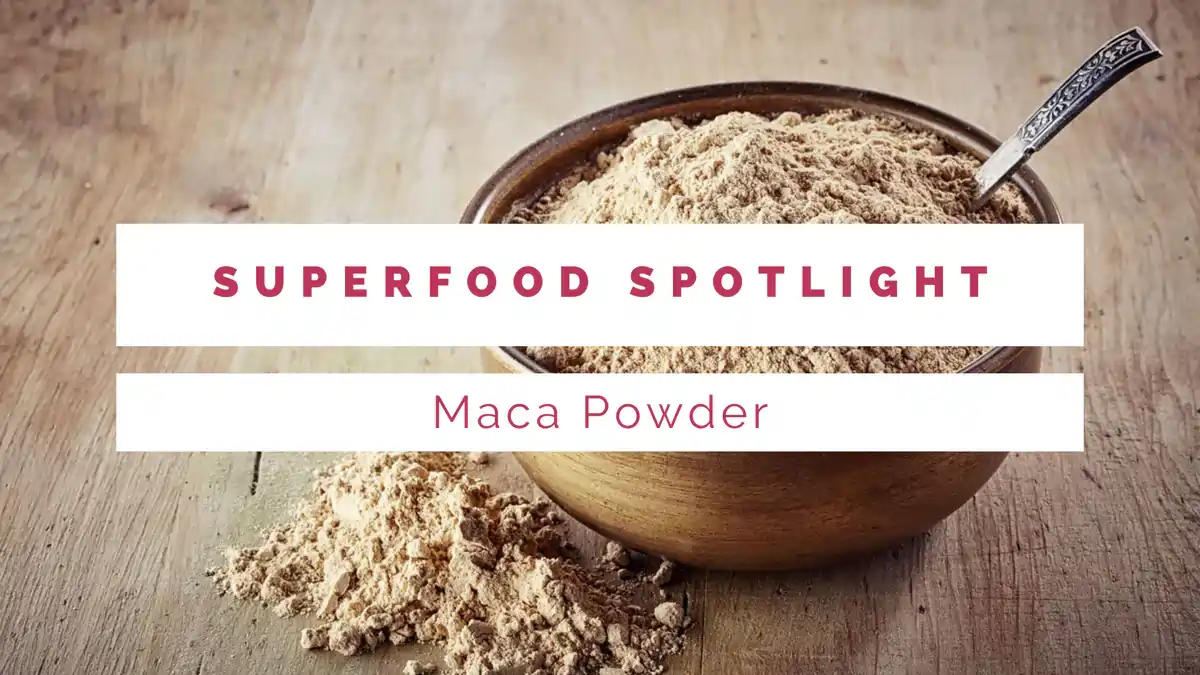
The root is typically dried and processed into different forms such as powder, capsules, extracts, or gelatinized maca. Because of its nutritional density and adaptogenic properties, maca is often included in modern diets as a natural supplement to support energy, stamina, and overall wellness.
There’s plenty more to explore check out our other posts!
Understanding Maca’s Nutritional Profile and Origins
Maca belongs to the cruciferous vegetable family, the same botanical group that includes broccoli, cabbage, and kale. Despite this connection, maca’s nutritional composition is quite distinctive.
This root is valued for its dense nutritional profile, providing a combination of protein, dietary fiber, vitamins, minerals, and plant compounds that contribute to multiple physiological processes in the body.
Key nutrients found in maca include:
-
Vitamin C supports immune function and antioxidant protection
-
Copper important for red blood cell production and connective tissue health
-
Iron essential for oxygen transport and energy metabolism
-
Potassium helps regulate fluid balance and nerve signaling
Another notable characteristic is its amino acid profile. Maca contains more than 20 amino acids, including the eight essential amino acids that the human body cannot produce on its own. These compounds play important roles in muscle recovery, hormone synthesis, and cellular repair.
Because of this combination of nutrients, maca is often described as a functional food that supports several body systems simultaneously.
Common Forms of Maca
Maca is available in several forms depending on how it is processed and consumed. Each form can provide similar nutritional benefits, although preparation methods may affect digestibility and convenience.
Common forms of maca include:
-
Maca powder frequently added to smoothies, oatmeal, yogurt, or baked foods
-
Maca capsules convenient for individuals who prefer measured supplementation
-
Gelatinized maca processed to improve digestibility and absorption
-
Liquid extracts concentrated forms used in smaller servings
Many people incorporate maca powder into smoothies, protein shakes, or breakfast bowls as part of a daily wellness routine.
Energy Enhancement and Fatigue Reduction
One of the most commonly reported maca root benefits is improved energy and stamina. Unlike caffeine-based stimulants, maca does not typically produce sudden energy spikes followed by crashes.
Instead, maca may support steady and sustained energy levels through its nutritional composition and adaptogenic characteristics.
Research suggests several mechanisms that may contribute to this effect:
-
Support for adrenal function, which helps regulate the body’s response to stress
-
Improved metabolic efficiency, supported by vitamins, minerals, and amino acids
-
Enhanced stamina and endurance, particularly during prolonged physical activity
These benefits explain why maca has become increasingly popular among athletes, fitness enthusiasts, and individuals managing demanding work schedules.
For example, some endurance athletes incorporate 1–3 grams of maca powder into smoothies before training sessions to support stamina, performance, and recovery. Because maca works gradually with the body’s stress response systems, many people experience a more balanced and sustainable energy level throughout the day.
Hormonal Balance and Reproductive Health
Another reason maca root has gained attention is its potential role in supporting hormonal balance. Importantly, maca itself does not contain hormones. Instead, it appears to support the endocrine system, which regulates hormone production throughout the body.
Because of these properties, maca is often researched for potential benefits related to hormonal balance, menopause support, reproductive health, and libido.
Potential Benefits for Women
Women experiencing hormonal fluctuations may include maca as part of a broader wellness strategy. Some research suggests it may help support relief from symptoms associated with hormonal transitions, including:
-
Hot flashes
-
Night sweats
-
Mood changes
-
Sleep disturbances
-
Irregular menstrual cycles
These symptoms often occur during menopause or premenstrual phases, when hormonal changes affect daily comfort and energy levels.
Potential Benefits for Men
In men, maca has been studied for its possible influence on:
-
Libido and sexual health
-
Muscle maintenance and vitality
-
Overall energy and reproductive health
Some studies also suggest maca consumption may help support healthy testosterone balance, although it does not function as a direct hormone replacement.
Fertility and Traditional Uses
In traditional Peruvian culture, maca has long been used as a natural aphrodisiac and fertility-supporting food. Modern research is now exploring these traditional claims in more detail.
Maca exists in several color varieties, including yellow maca, red maca, and black maca. Emerging evidence suggests these varieties may provide slightly different benefits.
For example, black maca has shown promising results in studies examining male fertility markers, including sperm count and motility. Because maca works with the body’s natural regulatory systems rather than introducing external hormones, many individuals consider it a gentler approach compared with certain pharmaceutical treatments.
Cognitive Function and Mental Clarity
Maca’s potential benefits extend beyond physical performance. The root also shows promise for supporting brain health, mental clarity, and cognitive performance.
Its nutritional composition includes fatty acids, antioxidants, and essential minerals that contribute to neurological health. These compounds may help protect brain cells from oxidative stress, which is associated with aging and cognitive decline.
Historically, Peruvian communities often provided maca to children to support learning ability and academic performance. Modern research is beginning to examine these effects through scientific studies.
Preliminary findings suggest maca may support:
-
Memory retention
-
Improved focus and concentration
-
Learning capacity and mental performance
These potential benefits make maca relevant for a wide range of individuals, including:
-
Students preparing for exams
-
Professionals working in cognitively demanding environments
-
Older adults seeking to maintain mental sharpness
Several small clinical studies and traditional use reports have examined these cognitive benefits, although larger long-term studies are still needed to confirm these effects.
Bone Health and Physical Strength
Another area of interest is maca’s role in supporting bone health and physical strength. The root contains a variety of minerals that contribute to skeletal structure and long-term bone maintenance.
Key bone-supporting nutrients found in maca include:
-
Calcium
-
Magnesium
-
Phosphorus
These minerals help maintain bone density and structural stability, which becomes increasingly important with age.
Bone health is particularly important for postmenopausal women, who face a higher risk of osteoporosis due to declining estrogen levels that influence bone metabolism.
Some studies suggest that regular maca consumption may contribute to improvements in bone density indicators and may help reduce fracture risk in populations vulnerable to bone loss. While additional research is still needed, these findings highlight maca’s potential role as part of a broader bone health strategy.
Possible Side Effects and Considerations
Although maca is generally considered safe for most healthy adults, it is important to consume it in moderate amounts.
Some individuals may experience mild digestive discomfort when consuming large amounts of maca powder. Starting with smaller servings and gradually increasing intake can help improve tolerance.
People with thyroid conditions or hormone-sensitive medical conditions should consult a healthcare professional before regularly using maca supplements.
As with any dietary supplement, choosing high-quality products from reputable suppliers helps ensure safety and nutritional value.
Want to learn more? Our full collection of posts is ready for you!
Conclusion
Maca root provides a strong example of how traditional nutrition and modern research can complement each other. For centuries, Andean cultures recognized the value of this resilient plant as both a food and a health-supporting ingredient.
Today, growing scientific interest continues to explore the many maca root benefits, including its potential role in supporting energy levels, hormonal balance, cognitive performance, reproductive health, and bone strength.
Although responses may vary between individuals, maca’s rich nutritional profile and long history of traditional use make it one of the most widely discussed natural superfoods today.
For those interested in plant-based approaches to wellness, incorporating maca powder or supplements into a balanced diet may provide a practical way to support overall health and vitality.
Frequently Asked Questions
Is maca root safe to take daily?
Most studies suggest maca can be consumed daily in moderate amounts. A common intake range is 1–3 grams of maca powder per day, although individual needs may vary.
How long does maca take to work?
Some individuals report noticeable effects within a few weeks of regular use. However, results can vary depending on factors such as diet, lifestyle, and dosage.
Can maca help with energy?
Maca is commonly used as a natural energy-supporting food because of its nutrient density and adaptogenic properties, which may help support sustained stamina and reduce fatigue.