Introduction
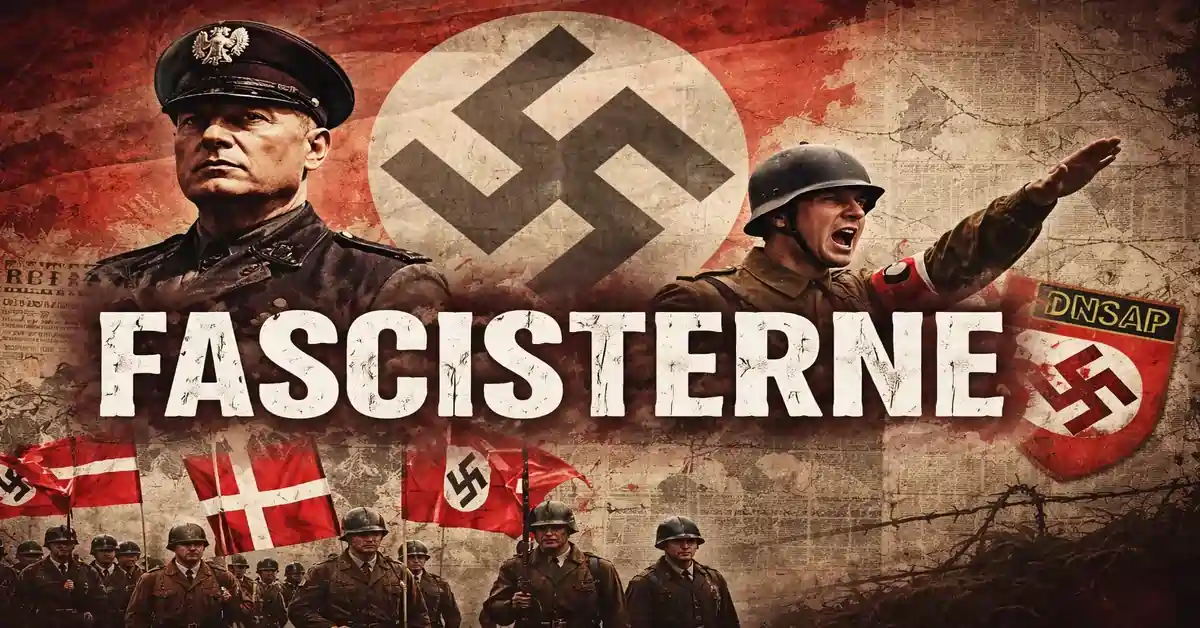
Political ideologies have shaped nations and influenced millions of lives throughout modern history. Among these, fascism remains one of the most studied and debated. In Danish and Norwegian contexts, the term Fascisterne refers to “the fascists,” encompassing individuals or movements aligned with fascist ideology.
Fascism emerged during a period of intense instability in Europe after World War I. Economic hardship, political turmoil, and social unrest created fertile ground for extreme political movements. Fascists were supporters of authoritarian systems emphasizing nationalism, centralized authority, and strict social control.
Understanding Fascism is essential for analyzing twentieth-century political developments. Examining its ideology, historical context, and consequences helps scholars and readers understand how authoritarian regimes emerge and how societies can protect democratic institutions.
Table of Contents
ToggleWhat Does “Fascisterne” Mean?
Linguistic Meaning of Fascisterne
The term Fascisterne originates from the word “fascist,” derived from the Italian fascio, historically meaning a bundle or group bound together for a common purpose. Politically, it symbolized unity under strong authority.
In English, Fascisterne translates directly as “the fascists.” It refers to individuals who support fascist ideology or were members of fascist movements.
Fascisterne as a Political Identity
Historically, Fascisterne are associated with movements that rejected liberal democracy in favor of centralized, authoritarian governance. Supporters believed strong leadership and national unity were essential for maintaining order and national strength.
Today, the term is widely used in academic research to analyze authoritarian movements and their influence on global politics.
There’s plenty more to explore check out our other posts!
Historical Origins of Fascisterne
The Rise of Fascism in Italy
Fascism emerged in early twentieth-century Italy, particularly after World War I. The country faced severe economic challenges, high unemployment, and political instability. Many Italians grew frustrated with democratic institutions, which they viewed as ineffective in addressing national crises.
Amid this unrest, Benito Mussolini founded the Italian Fascist movement in 1919. He promised to restore national pride, strengthen the state, and bring stability. The movement quickly gained support from those who believed strong leadership could resolve political chaos.
By 1922, Mussolini had seized control of the Italian government, establishing a fascist regime and marking the rise of fascism as a significant political force in Europe.
Spread of Fascist Movements Across Europe
Following Mussolini’s rise, similar movements appeared across Europe. While each country’s version of fascism had unique traits, they shared core elements: authoritarian leadership, aggressive nationalism, and opposition to democratic governance.
A prominent example was Adolf Hitler’s Nazi Germany, which, though ideologically distinct, shared many fascist characteristics, including centralized control, suppression of opposition, and widespread propaganda.
During the 1930s and early 1940s, fascist-inspired governments spread across Europe, heightening geopolitical tensions and contributing to the outbreak of World War II.
Core Ideology of Fascisterne
Nationalism and State Authority
Extreme nationalism was central to fascist ideology. Fascisterne believed that the nation’s strength and unity were more important than individual freedoms or political diversity. The state was considered the ultimate authority responsible for order and national greatness.
Citizens were expected to prioritize national interests above personal ambitions or dissenting views.
Authoritarian Leadership
Fascist ideology emphasized strong, centralized leadership. Leaders were often portrayed as the embodiment of national unity, guiding the country more effectively than democratic systems with multiple political parties.
This concentration of power often resulted in authoritarian governance, where dissent was discouraged or suppressed.
Opposition to Democracy
Fascisterne rejected democratic principles such as free elections, political pluralism, and individual liberties. They supported state-controlled political systems.
Opposition was restricted through censorship, propaganda, and policing, ensuring the government maintained full control over political life.
Characteristics of Fascist Movements
Militarism and Expansion
Fascist regimes prioritized military strength and national expansion. Leaders believed that armed power was essential for defending national interests and asserting influence internationally.
This militaristic approach often resulted in aggressive foreign policies and territorial ambitions.
Propaganda and Media Control
Propaganda was a key instrument for fascist governments. Controlling media channels allowed regimes to shape public opinion and reinforce ideological messages.
Posters, speeches, films, and educational curricula were used to promote loyalty to the state and glorify national identity.
Suppression of Opposition
Political dissent was systematically curtailed. Independent parties, labor unions, and critical media outlets were often banned or tightly restricted.
The overarching goal was to maintain societal unity under centralized authority.
The Global Impact of Fascisterne
Role in World War II
Fascist regimes profoundly influenced global history. Their aggressive policies directly contributed to World War II, a conflict marked by unprecedented loss of life, economic destruction, and major geopolitical shifts.
Following the defeat of fascist governments in 1945, nations reevaluated political systems and strengthened democratic institutions.
Influence on Political Thought
The history of fascism continues to inform modern political discussions. Studying Fascisterne helps scholars understand how authoritarian regimes develop and how societies can prevent extremist ideologies from gaining power.
Historical analysis also identifies warning signs of political extremism and highlights the importance of protecting democratic structures.
Fascisterne in Modern Discussions
Academic and Historical Analysis
Today, Fascisterne is primarily examined in scholarly and historical contexts. Researchers study the social and political conditions that allowed authoritarian movements to flourish.
Universities and think tanks explore fascism in relation to political theory, human rights, and international relations, providing deeper insight into authoritarian dynamics.
The Importance of Historical Awareness
Studying Fascisterne promotes critical understanding of political leadership, civic responsibility, and democratic principles.
Historical awareness encourages societies to strengthen safeguards for democracy and human rights.
Lessons Learned From the History of Fascisterne
The Value of Democratic Institutions
A key lesson from fascism is the importance of robust democratic institutions. Systems that protect free speech, fair elections, and independent media can prevent authoritarian movements from rising.
Protecting Human Rights
Fascist regimes demonstrate how easily human rights can be threatened under authoritarian rule. Modern democracies must prioritize civil liberties and equality for all citizens.
Encouraging Political Education
Education is essential in countering extremist ideologies. Teaching younger generations about history, governance, and civic responsibility fosters informed, responsible citizens.
Want to learn more? Our full collection of posts is ready for you!
Conclusion
The concept of Fascisterne represents a pivotal chapter in modern political history. Emerging in the early twentieth century, fascist movements reshaped Europe’s political landscape and played a central role in major historical events.
Studying fascism its ideology, history, and consequences provides valuable insights into political systems and the protection of democratic values. Understanding Fascisterne helps promote freedom, stability, and human rights.
The legacy of Fascisterne reinforces the need to safeguard democratic institutions and apply lessons from history to guide modern societies.